Casinò di Campione
Campione d'Italia, Italy
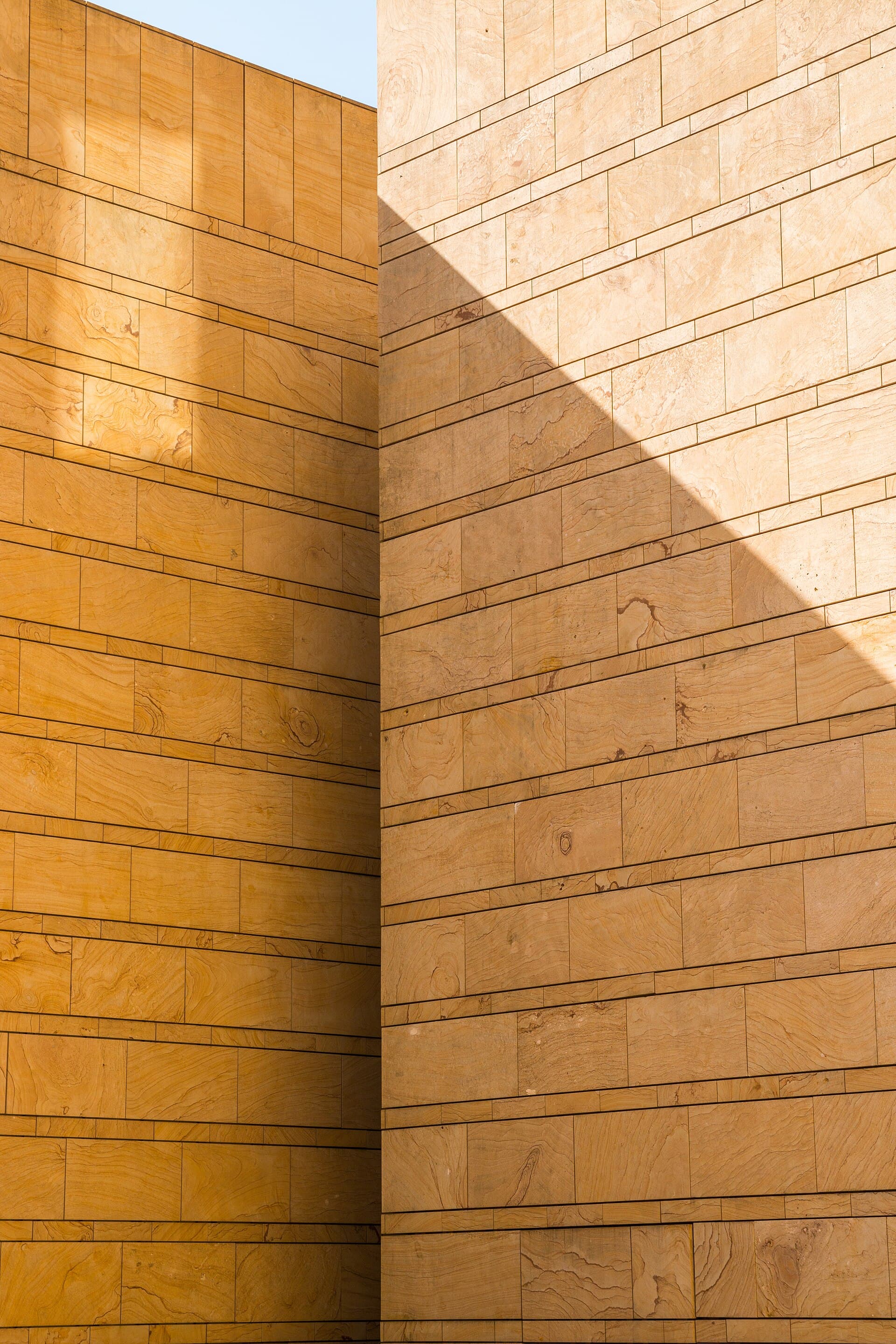
A vast Mario Botta-designed tower rising from a tiny Italian exclave inside Switzerland — for decades marketed as one of Europe's largest casinos by floor area.
Campione d'Italia's casino has one of the odder premises in this atlas: it sits in a small Italian exclave of a few square kilometres, entirely surrounded by the Swiss canton of Ticino and separated from the rest of Italy by Lake Lugano. Gambling was first licensed here in 1917, precisely because the enclave's unusual status let it operate under different rules from mainland Italy while sitting minutes from Swiss and Milanese money. The current building, a dramatic stepped tower in dark stone and glass designed by Ticino-born architect Mario Botta and completed in 2007, replaced a much older Belle Époque casino on the same lakeside site.
Botta's building is a striking break from the historicist casinos elsewhere in this guide — a modernist civic monument of terraces and cantilevered volumes climbing the hillside above the lake, with gaming floors stacked over several levels rather than arranged in a single grand hall. For a period after its 2007 opening it was promoted as the largest casino in Europe by floor area, a title reflecting the sheer number of tables and machines across its floors rather than the intimacy of an older house.
The gaming programme spans a large American-games hall of Roulette, Blackjack, and slot machines on the lower levels, with more formal French and high-stakes rooms, plus a poker room, higher up the tower. Because the enclave uses the Swiss franc despite being sovereign Italian territory, and because its economy has historically depended heavily on the casino, the house carries genuine local weight beyond tourism — for much of the twentieth century it was effectively Campione's main employer.
A visit works well as a half-day trip from Lugano: the bus ride along the lake shore is short and scenic, the building's terraces give sweeping views back over the water, and the contrast with the more antique gaming houses elsewhere in Italy and Monaco makes it a useful counterpoint plate in this atlas — proof that the European casino house is not only a period genre.
Highlights
- Sits in a small Italian exclave inside Swiss territory, reached only by road from Lugano
- Current tower designed by architect Mario Botta, completed 2007
- Once promoted as the largest casino in Europe by floor area
- Replaced an earlier Belle Époque building on the same lakeside plot
- Historically the enclave's principal source of local employment and revenue